
Consultancy for Health & Social Care
When the Pressure to Improve Is Real and the Usual Approaches Have Not Worked.
Safeguarding gaps that widen under inspection. Dementia care that varies by shift. Complex cases where no single agency owns the outcome. Governance that satisfies the board but not the regulator. These are the problems organisations bring to PMH - and the problems we were built to solve.
60
Years Combined Experience
600+
Organisations Supported
19,700+
Professionals Trained
44,200+
People Positively Impacted
Why improvement programmes fail
Improvement Does Not Fail Because People Do Not Care. It Fails Because Systems Do Not Change.
Most organisations have been through improvement programmes. Action plans were written. Training was delivered. For a while, things got better. Then the consultants left, the programme ended and practice returned to where it started.
PMH exists because we kept seeing this pattern - and we understood why it happened. Change that addresses symptoms without redesigning the systems that produced them will always be temporary. That is why we approach problems differently.
We have Held the Roles You Hold
Senior nurses who have managed wards, led safeguarding teams and sat in the governance meetings where difficult decisions are made. We understand the frontline because we have worked on it.
We Know the Legal Landscape
Qualified social workers with direct experience of the Mental Capacity Act, Deprivation of Liberty Safeguards and multi-agency safeguarding. PMH works closely with Legal Teams who advise on all Court of Protection issues and proceedings.
We Connect Boards to Wards
Most governance fails because it does not reach the frontline. We design assurance that connects board-level oversight to the practice that actually determines outcomes.
We Build Workforce Confidence
Education that reinforces consultancy - giving your teams the knowledge and confidence to sustain improvement long after we have left.
Where organisations need help
The Challenges That Brought You Here
These are the situations that prompt senior leaders to look for external expertise. Each is a problem PMH has solved repeatedly - across NHS trusts, local authorities and care providers.
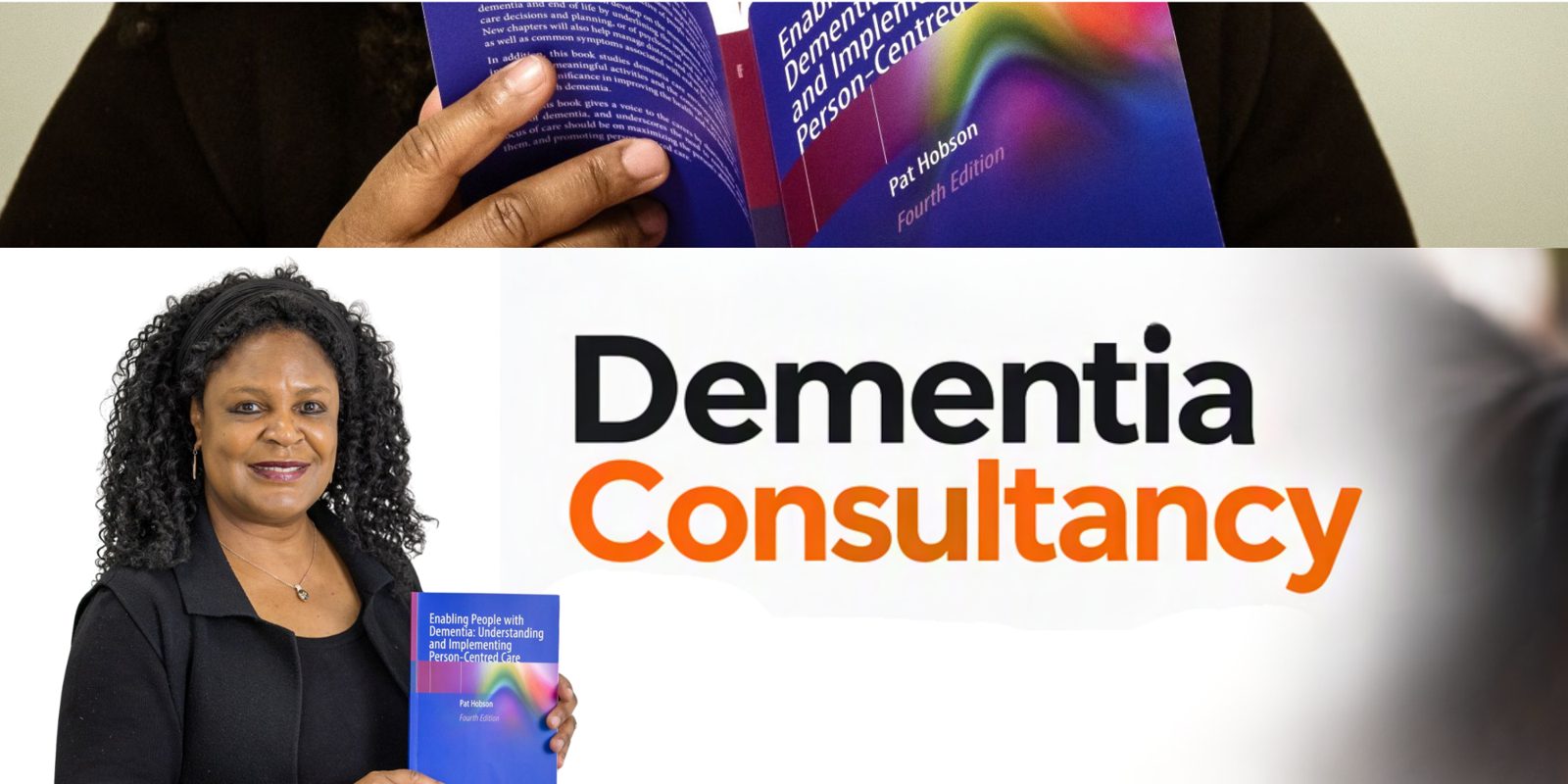
Dementia Care Experts
Care that varies by shift is not person-led and person-centred - it is inconsistent. When distress increases, incidents rise and families lose confidence, your organisation needs a structured approach to practice that sticks.
Learn more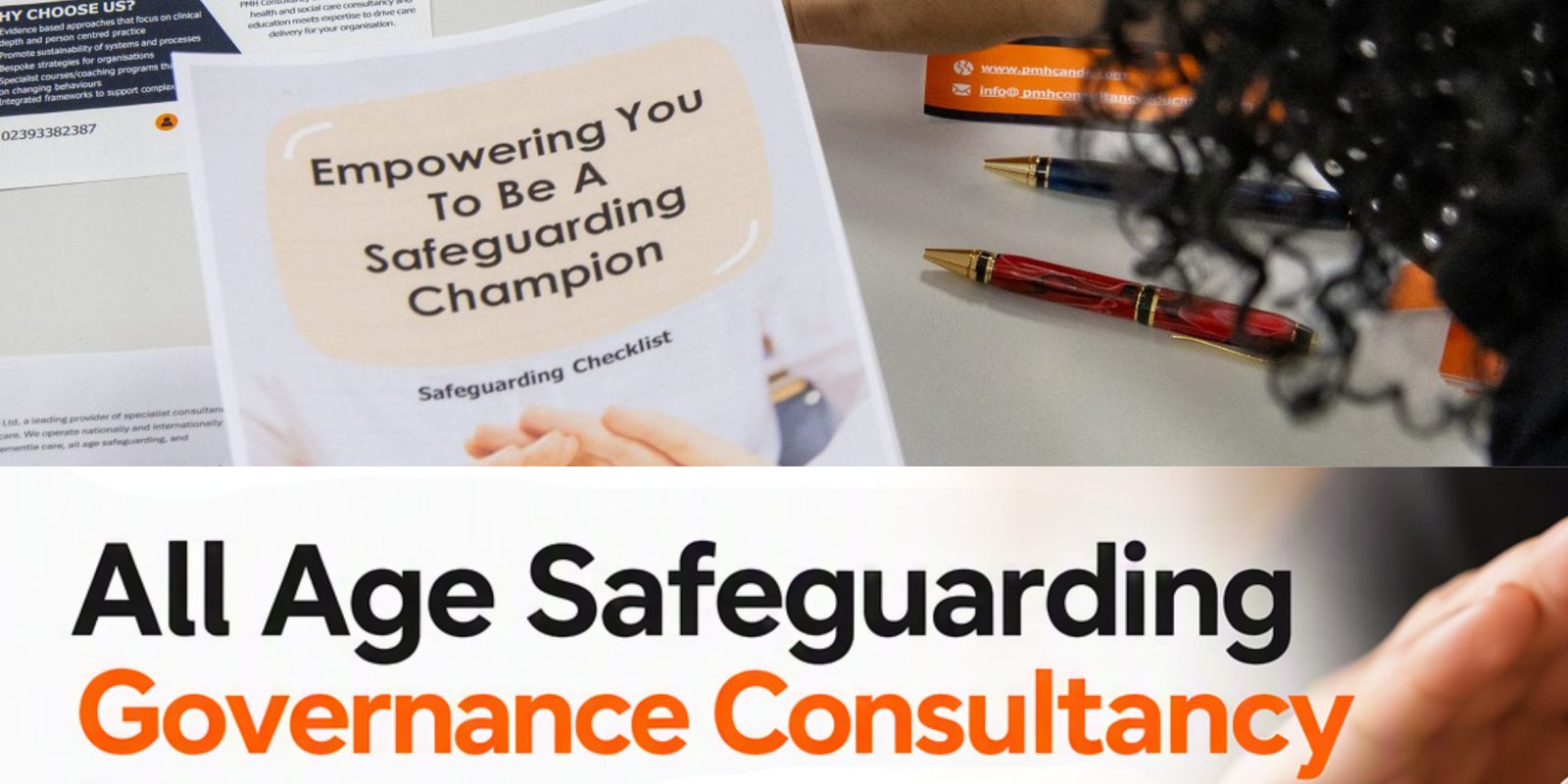
Safeguarding Consultancy
Your board reports say safeguarding is effective. Your frontline tells a different story. When governance and practice do not connect, risk concentrates in the spaces no one is watching.
Learn more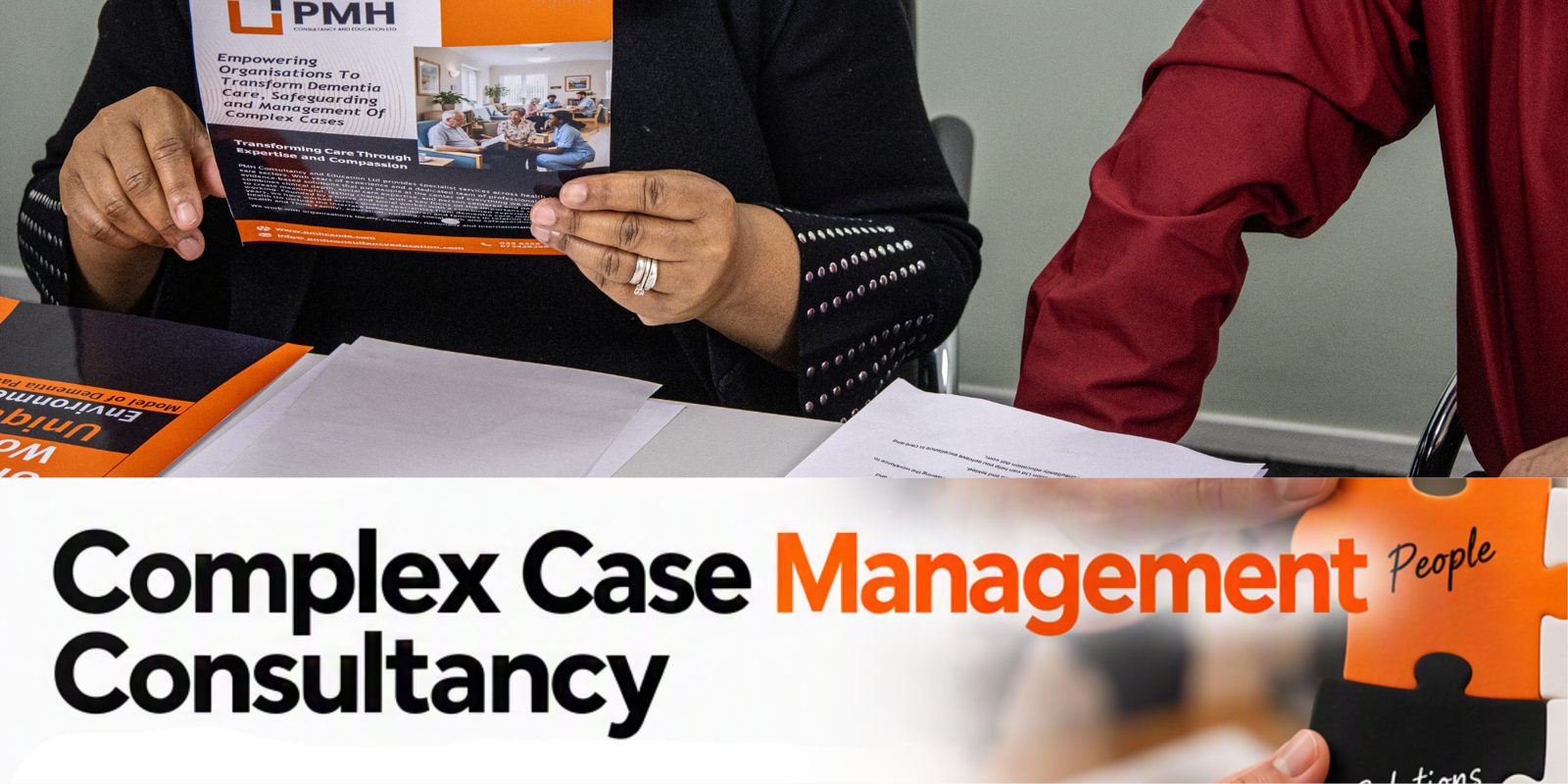
Complex Case Management
Cases involving the Court of Protection, Mental Capacity Act and multi-agency coordination stall when no one owns the whole. When accountability is unclear, decisions are delayed and people remain at risk.
Learn moreHow we work
We Do Not Arrive With Answers. We Arrive With the Right Questions.
Every organisation is different. The pressures are specific, the history matters and the culture shapes what is possible. Our approach starts by understanding yours.
Listen First
We start by understanding your organisation - its pressures, history and culture. We do not arrive with a pre-written plan. We arrive with questions.
Diagnose Accurately
A structured assessment of current practice, governance and outcomes. We identify what is actually driving the problem - not just the symptoms everyone already sees.
Recommend Clearly
Prioritised, practical recommendations that account for your capacity, your regulatory position and your organisational reality. Nothing theoretical.
Work Alongside You
We do not hand over a report and leave. We work with your teams to embed change - building their confidence and capability to sustain it.
Stay Until It Holds
Improvement that disappears when the consultants leave is not improvement. We provide ongoing support until change is embedded in everyday practice.
The methods behind the work
Every Framework Exists Because We Kept Seeing the Same Problems
These are not theoretical models. Each one was developed because Pat repeatedly encountered the same organisational failures - and the standard approaches were not resolving them.
Unique Life, Unique World™
Built because dementia care kept defaulting to task-based routines. This methodology gives organisations a consistent, person-led and person-centred approach that actually sustains across shifts and staff changes.
Learn moreGovernance to Frontline All Age Safeguarding Model™
Built because boards kept reporting effective safeguarding while frontline practice told a different story. This framework closes that gap - visibly and auditably.
Learn moreIntegrated Complex Care Model™
Built because complex cases kept stalling between agencies, with no one coordinating the whole. This model structures multi-agency decision-making so people do not fall through the gaps.
Learn moreImprovement and Compassion Fatigue™
Built because organisations kept investing in change programmes that did not last. This diagnostic model identifies why previous initiatives stalled and builds momentum that sustains. This is based on a trauma-informed approach and practice and draws from the key principles of trauma-informed approaches.
Learn moreStructured methodologies. Each one born from practice, not theory.
Explore All PMH FrameworksTrusted across the system
Organisations Responsible for Protecting Thousands of People Every Day
PMH works with organisations at every level of the health and social care system - from single-site care providers to integrated care systems responsible for entire populations.
NHS Trusts
Integrated Care Systems
Local Authorities
Care Providers
Independent Hospitals
Charities
What changes look like
The Difference Between Where Organisations Start and Where They Finish
These are real patterns from organisations PMH has worked with - the problems they arrived with and the position they reached.
Safeguarding
Before
Board reports showed effective safeguarding. CQC found inconsistent practice, poor enquiry quality and unclear accountability across tiers.
After
Governance connected to frontline delivery. Enquiry quality improved. Board assurance became genuine rather than procedural.
Dementia Care
Before
Avoidable distress incidents rising. Psychotropic prescriptions increasing. Families losing confidence. Staff defaulting to task-based care.
After
Distress incidents reduced. Workforce confident in person-centred practice. Families reporting their relatives are calmer and more engaged.
Complex Cases
Before
High-risk cases involving MCA and DoLS stalling between agencies. No named coordinator. No shared decision-making. No clear escalation.
After
Structured coordination with clear accountability. Decisions made faster. Multi-agency collaboration functioning rather than fragmenting.
Quality Improvement
Before
Three previous improvement programmes. Each delivered short-term change. Each faded within twelve months. Staff sceptical about the next one.
After
Improvement embedded in systems and culture - not dependent on a programme. Staff own the change because they helped build it.
From the organisations we have worked with
In Their Words
"Pat made a significant contribution to our governance, patient safety and quality agenda. Pat is a value-driven senior nursing leader who puts patients at the centre of everything she does. She has a wealth of experience and skills and she is an asset to any team."
Deputy Director of Nursing
NHS England
Before you get in touch
Questions Senior Leaders Ask Before Working With PMH
You have read this far because something is not working.
A confidential, no-obligation conversation with a senior practitioner - not a sales team. We will listen to what you are dealing with and give you an honest view of whether we can help. No pitch. No pressure. Just experienced consultants who understand the complexity you are managing.
Original methodology developed through decades of practice
Evidence-based frameworks that deliver measurable outcomes
Senior consultants who created the models they implement